Timeless Romance: Exploring Love Narratives Through History
Love is a timeless emotion that weaves its threads through the fabric of history, connecting souls across centuries. Have you ever wondered how affection evolved into the passionate connections we celebrate today? As we embark on this journey through love's historical chronicles, let's explore the enchanting tales of courtship, the beautiful intimacy found in enduring love, and the cultural love traditions that shape our understanding of romance. From the epic love stories of ancient civilizations to the heartfelt romantic connections of more contemporary times, there’s a world of sentiment waiting to be unearthed.
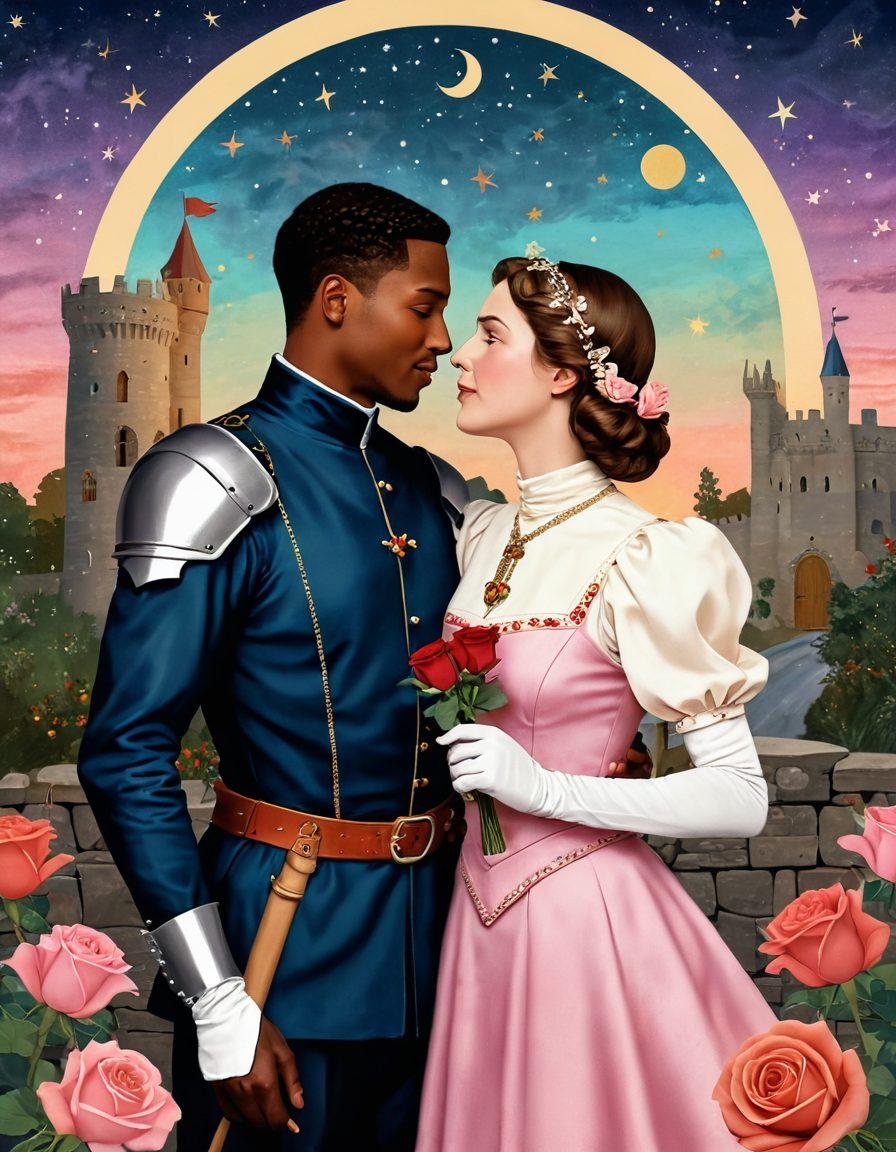
Throughout history, love narratives have reflected the values and experiences of different cultures. For instance, in the Middle Ages, courtly love was not just a relationship; it was a complex game of chivalry and social structures. Knights and noblewomen exchanged romantic letters, each word steeped in emotional bonds and longing. Imagine the thrill of a clandestine meeting hidden away from societal norms—what could be more romantic? These historical relationships teach us that attachment has always been layered with both passion and societal expectation, enriching our understanding of love across the ages.
As we unearth the layers of historical affection, we can’t overlook the role that art has played in immortalizing these romantic tales. From Shakespeare’s star-crossed lovers to the passionate brush strokes of romantic painters, artistry captures the essence of emotional bonds that often transcend time. One cannot help but resonate with the poignant words: "Love all, trust a few, do wrong to none." Such sentiments remind us of the enduring nature of love throughout time, inspiring us to cherish the romantic heritage that enriches our collective consciousness.
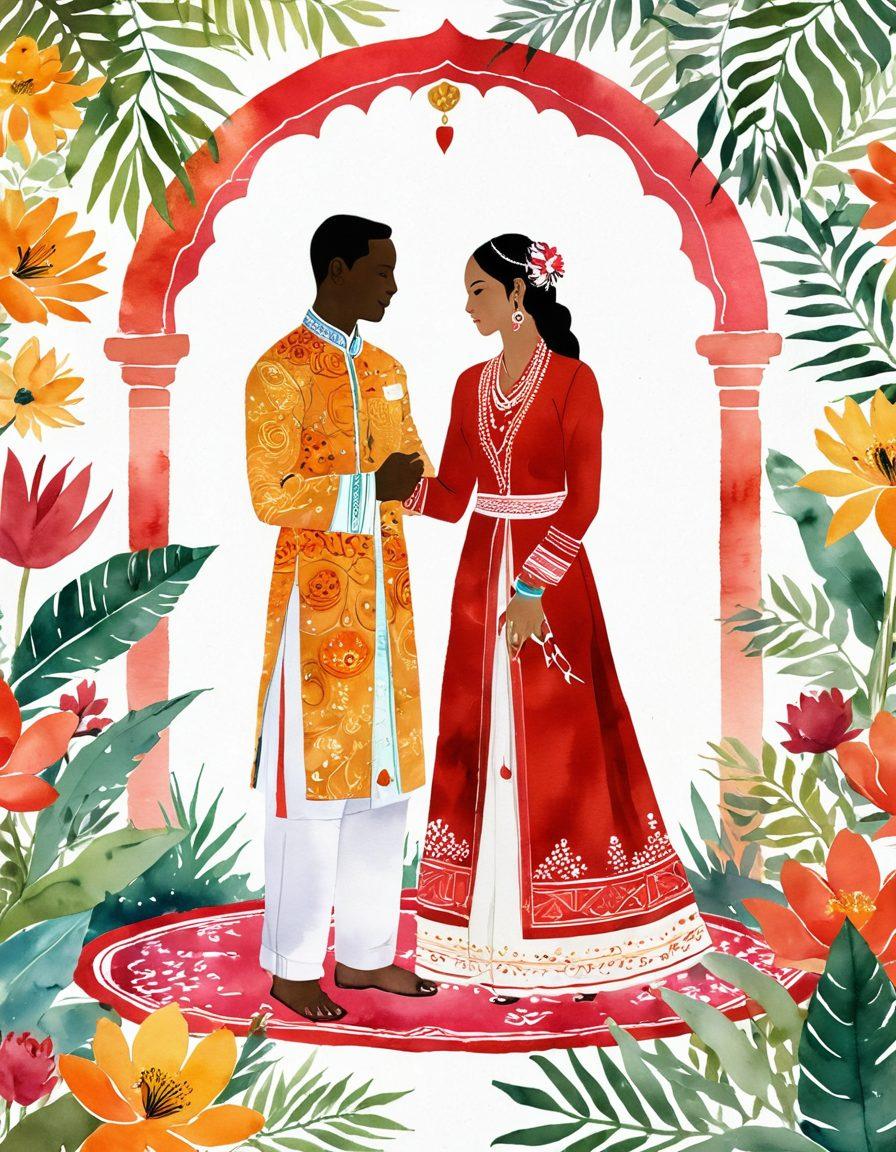
Have you considered how love traditions vary across cultures? In Japan, the custom of “omiai” is a formal matchmaking process centered around marriage, contrasting sharply with Western notions of spontaneous romance. These differences provide a fascinating backdrop to our quest for understanding romantic connections. Each culture exhibits its own brand of passion, intimacy, and partnership. What does love mean in your own cultural context? Such introspection invites a deeper appreciation for the myriad expressions of love that have flourished throughout history, celebrating each unique narrative.
In conclusion, the exploration of love's historical chronicles offers more than just tales of romance; it invites us to reflect on how love shapes our societies and personal lives today. Each story we uncover reveals layers of sentiment, showcasing the evolution of courtship from ancient rituals to modern expressions of commitment. As you navigate this timeless romance, consider the emotions and experiences that contribute to your own love journey. After all, isn't it time we honor and celebrate our unique stories of affection and passion? The sentiment of love is as enduring as time itself, waiting for us to embrace it.
From Courtship to Intimacy: The Evolution of Romantic Relationships
Have you ever wondered how romantic relationships evolved from the days of courtship filled with poetic letters to today’s swipe-right culture? Love is a timeless theme, an enduring aspect of humanity that transcends generations and cultural boundaries. In our journey through history, we uncover rich love narratives that showcase the various forms affection and attachment can take. This exploration of romantic connections not only reveals the evolution of intimacy but also invites us to reflect on our own romantic heritage.
In ancient times, courtship wasn’t just a prelude to romance; it was a dance fraught with strict customs and cultural love traditions. Love was often a family affair, where unions were arranged with the goals of strengthening family ties rather than merely fostering passion. Picture a Victorian suitor, quill in hand, pouring his heart out in eloquent letters, or perhaps a medieval knight wooing his lady fair with extravagant gestures of devotion. These historical relationships form the foundation of what we know as romance today, encapsulating the sentiments and complexities of love throughout time. As we delve deeper, how have these intricate rituals shaped our understanding of love?
Fast forward to the 20th century, and the landscape of love chronicles began to shift. With the rise of individualism, people sought not just emotional bonds but deeper intimacy in their romantic encounters. No longer were partners shackled to familial expectations; they began to explore their own passions. Love became an arena for self-discovery, a backdrop for fervent expressions of desire and affection. Imagine the roaring twenties, where society let its hair down, allowing love to flourish in ways that had been previously unthinkable. How did the culture of love transition from constrained courtship to unabashed love stories filled with longing and adventure?
The landscape of romantic tales continued to evolve in the following decades, reflecting societal changes and new emotional understandings. Through the 70s and 80s, we witnessed the birth of modern dating culture—a dance that merged the old traditions with new freedoms. Couples are now faced with choices and opportunities to define their relationships, blending affection with autonomy. Isn’t it fascinating how love can adapt to fit the changing times while remaining an essential element of human life?
As we stand today in the age of technology, the essence of love and attachment remains to be our lifeblood. Despite frequent changes in how we connect, the search for intimacy, thoughtfulness, and enduring love persists. Every swipe, every text, every heartfelt expression echoes historical passion and speaks to our innate desire for connection. Love narratives, whether told through the lens of history or modernity, illuminate our journey toward emotional fulfillment. Can we navigate this intricate tapestry of historical affection and cultural love to create lasting romantic connections that honor both tradition and modernity?
Passionate Tales: Understanding Love Traditions Across Cultures and Time
Throughout history, love has always been a captivating force that transcends time and culture. From Shakespearean sonnets that encapsulate the deepest sentiments to today's modern love stories shared on social media, our fascination with romantic tales is undeniable. What if love was not just a feeling but a narrative woven through the fabric of our societies? Every culture has its unique love traditions, showcasing how affection and passion manifest in various ways. Let's embark on a journey to uncover the rich tapestry of love narratives that highlight the emotional bonds and enduring relationships that have shaped us through the ages.
As we dive into the world of passionate tales, we find ourselves enchanted by the diverse courtship rituals that define cultural love. For instance, did you know that in some Native American tribes, it’s customary for men to prove their devotion by going on a vision quest? This noteworthy step of demonstrating their commitment is a beautiful testament to historical affection and the importance placed on spiritual connection before romantic attachments evolve. As you hear these stories, reflect on your own romantic connections—what rituals or practices do you cherish in your relationships?
Moreover, how do love traditions vary from one culture to another? In Japan, the celebration of White Day—where men return gestures of affection—highlights the expectations placed on emotional expression and reciprocity in romantic relationships. Here, sentiment is given a different flavor, demonstrating that romance is multifaceted and deeply rooted in the society it thrives in. The love chronicles of different cultures teach us valuable lessons about patience, sacrifice, and, most importantly, the commitment stemming from passion. Could it be that we have something to learn from their devotion?
The realm of historical relationships also explores the notion of love throughout time in unexpected ways. Consider the romantic heritage of ancient Egypt, where love was immortalized in art and hieroglyphics. Images of couples sharing intimate moments adorned tombs, representing a belief in enduring love beyond death. It’s a powerful reminder that love is not merely a fleeting feeling; it's a legacy that lives on, echoing through time. What can we do in our everyday lives to create our own love legacies? Perhaps it's about sharing moments, encouraging open communication, and embracing the vulnerability that intimacy requires.
Ultimately, understanding love traditions across cultures enriches our own perspectives on romance. By appreciating the diverse expressions of historical passion, we become more compassionate and open to new experiences in our own relationships. Let's celebrate the variety of romantic tales told across generations, for they remind us that while the modes of courtship may differ, at our core, we all share the same desire for connection, affection, and belonging. So, let’s take a step towards our own timeless romance—we can start by writing our own love narratives today!